Streatham Common bulky rubbish collection and recycling tips
Posted on 12/08/2026

If you live near Streatham Common, bulky items have a habit of piling up at the worst possible time. One minute it's an old sofa leaning in the hallway, the next it's a broken wardrobe, a rusted garden chair, and three bags of stuff you meant to sort "next weekend". This guide to Streatham Common bulky rubbish collection and recycling tips is here to make that mess feel manageable. You'll find practical advice on what counts as bulky waste, how collection usually works, how to separate recyclable items properly, and what to avoid if you want the job done without hassle.
We'll keep it straightforward, local, and useful. No fluff, no jargon. Just the kind of advice that helps you clear space, stay safe, and avoid those irritating last-minute mistakes that turn a simple removal into a small drama. And let's face it, nobody needs another one of those on a Tuesday morning.
Why Streatham Common bulky rubbish collection and recycling tips matters
Bulky rubbish is different from everyday household waste. It takes up space, often needs two people to lift safely, and can include mixed materials that are tricky to recycle unless you separate them properly. Around Streatham Common, that matters for a few reasons. Homes vary a lot here: flats, terraces, converted buildings, family houses, shared places with tight stairwells. A single large item can block a hallway or make recycling collections awkward fast.
Good planning also saves you from the common "I'll just leave it by the side" approach, which is rarely a good idea. Some items are recyclable, some are not, and some need special handling because of their weight or contents. If you sort first, you make the collection simpler, reduce contamination, and usually improve how much material can be reused or recycled.
There's also a time factor. Bulky clear-outs are often linked to moving house, replacing furniture, clearing a rental, or tackling a long-overdue declutter. Those jobs already come with enough decisions. Having a clear system for removal and recycling makes the whole thing calmer. A bit more orderly. Less "where on earth do we start?" and more "right, this is manageable."
For people comparing removal options, it can help to look at the bigger picture too. A service page such as the services overview gives a useful sense of how bulky item removal fits alongside other waste solutions, especially if your clear-out includes a mix of household, garden, or builders' waste.
How Streatham Common bulky rubbish collection and recycling tips works
In practice, bulky rubbish collection is about three things: identifying what you have, deciding what can be reused or recycled, and arranging the right removal method. That sounds simple, and often it is, but the details matter.
First, separate items by material where you can. Wood, metal, textiles, electricals, mattresses, and rigid plastics may each follow a different route. Then check whether anything is still usable. A bookcase with wobble might be repairable. A chair with a split seat probably isn't. A broken kettle may be recyclable as electronic waste, while a stained sofa probably needs specialist disposal. These distinctions sound small, but they make a real difference.
Second, think about access. Is the item coming from a front room on the ground floor, or from the third floor at the back of a building with a narrow staircase? That changes the handling plan. It also changes how long the job takes and how many people are likely needed. In our experience, the item is often less of a problem than the route out of the property. Old Victorian stairs can be wonderfully charming, until you try to turn a wardrobe on them.
Third, choose the right disposal route. Some items are suitable for reuse, some for recycling, and some need disposal as residual waste. If you are using a professional collection, it helps to describe the load accurately so the crew arrives prepared. If you're sorting it yourself, keep recyclable parts clean and separate, because mixed loads are where mistakes creep in.
If your clear-out is part of a wider house reset, you might also find the guidance in house clearance in Streatham useful, especially if you are dealing with furniture, soft furnishings, and the odd forgotten box from the loft.
Key benefits and practical advantages
There's a surprisingly big upside to getting bulky rubbish removal right. The obvious benefit is space: a clearer hallway, a usable spare room, a less cluttered garden. But the real gains go a bit deeper than that.
- Less lifting risk: moving heavy furniture badly is how backs complain for days.
- Cleaner recycling outcomes: separating materials properly improves the chance they can be processed correctly.
- Faster collections: a sorted load is quicker to remove and easier to assess.
- Better cost control: accurate sorting helps avoid unnecessary disposal of recyclable items.
- Less stress during moves or refurbishments: clear space makes every other job easier.
There's also a practical benefit that people sometimes overlook: visual clarity. Once bulky waste is out of the way, you can see what the room actually needs. Maybe you don't need to repaint after all. Maybe the space just needs light and order. You notice these things once the old sofa is gone.
Expert summary: the best bulky rubbish job is usually the one that starts before collection day. Sort early, keep recyclables separate, measure awkward items, and be honest about what needs lifting. That bit of preparation saves time, money, and a lot of back-and-forth.
If you want a greener approach, it's worth reading the company's page on recycling and sustainability. It fits neatly with the idea that waste removal should be responsible, not just convenient.
Who this is for and when it makes sense
This kind of advice is useful for a lot of different people, not just homeowners with a spare room full of old furniture. In Streatham Common, bulky rubbish collection comes up in everyday situations more often than you'd think.
- Homeowners clearing out old furniture, appliances, or garden clutter.
- Tenants who need to leave a property tidy before moving out.
- Landlords and letting agents managing end-of-tenancy clearances.
- Families dealing with inherited belongings or long-postponed loft and garage clean-outs.
- Small businesses getting rid of desks, shelving, or old office furniture.
- DIY renovators who suddenly realise broken cupboards, doors, and offcuts have filled the driveway.
It makes sense when the item is too big for normal bin collections, too awkward to leave in a tidy stack, or too mixed to treat as one simple waste type. It also makes sense when time is tight. If a property needs to be turned around quickly, for example between tenants, getting bulky waste out efficiently can prevent delays elsewhere.
If you are involved in a workspace clear-out, office clearance in Streatham may be the more relevant route. Office jobs often include chairs, monitors, filing cabinets, and mixed office clutter that should not be treated like ordinary household rubbish.
Step-by-step guidance
Here's a simple way to handle a bulky rubbish job without getting overwhelmed.
- Walk the property first. Make a quick inventory of every large item, including anything tucked in a shed, loft, or side return.
- Separate by category. Put furniture, electricals, textiles, garden waste, and recyclable metals into rough groups.
- Check for reuse. Ask yourself whether anything is still in decent condition. If yes, keep it separate.
- Measure awkward items. Sofas, wardrobes, and beds can be surprisingly awkward at doors and stair corners.
- Remove loose contents. Drawers, cushions, shelves, and detachable parts should be emptied and packed neatly.
- Keep routes clear. Open doors, move small items, and make space for safe carrying.
- Decide on the disposal route. Reuse, recycle, specialist handling, or mixed waste.
- Book the collection with accurate details. The more precise the description, the smoother the job.
A small but useful tip: photograph the items before collection. Even a quick phone picture helps you remember what was included if the load changes later. Sounds basic, but in busy households it saves faff. A lot of faff, actually.
If the area around Streatham Common forms part of a bigger street-by-street disposal plan, the Streatham High Road SW16 rubbish collection guide can add useful local context for planning access and timing.
Expert tips for better results
A few small decisions can make the difference between a clean, efficient collection and one that becomes needlessly messy.
Keep recyclable items clean and separate
Wooden shelving can often be handled differently from upholstered furniture. Metal bed frames are very different from mattresses. If you mix everything together, recyclers may have to treat more of the load as residual waste than necessary. That's not ideal for the environment or the finish of the job.
Break down what you safely can
Flat-pack furniture, for instance, is often much easier to remove once dismantled. Just be sensible. If dismantling creates sharp edges, exposed fixings, or a wobbling stack, stop there. There is no medal for wrestling a wardrobe into submission at 8pm.
Plan around access and neighbours
In dense residential streets, timing matters. Early morning may be practical, but it's worth being considerate about noise, shared hallways, and parking. If a bulky item needs to pass through communal areas, make that route as tidy and short as possible.
Think about the final destination before loading
One of the most helpful habits is to ask, "Where will this end up?" If the answer is recycling, donation, reuse, or specialist disposal, make sure the item is prepped accordingly. Good prep improves the outcome, and it reduces the chance of contamination.
Local insight: in homes near Streatham Common, a lot of bulky waste jobs are really "mini life resets" rather than just rubbish removal. A hallway clear-out often turns into a spare-room refresh, then a garden tidy, then a very satisfying cup of tea. In other words, it tends to snowball-in a good way.
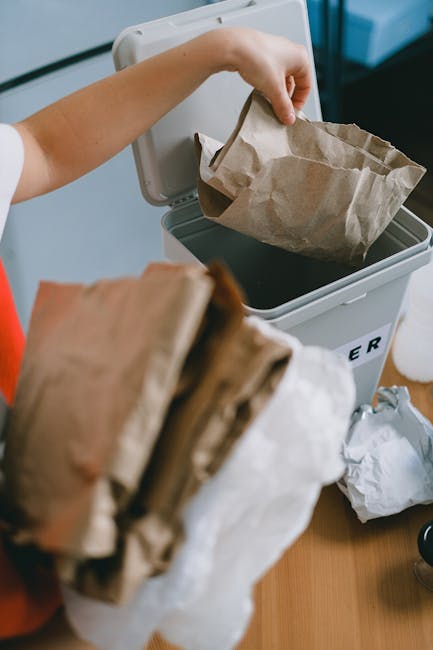
Common mistakes to avoid
The biggest mistakes are usually the simplest ones. People often know what needs to go, but not how to deal with it properly.
- Leaving sorting until collection day. This creates delays and missed recycling opportunities.
- Assuming every large item is landfill-bound. Many components can be recycled or reused.
- Forgetting hidden items. Drawers, cushions, cables, and fixings often get missed.
- Underestimating access issues. Narrow staircases and tight corners can change the whole plan.
- Mixing hazardous or specialist items into the load. That can create safety and handling problems.
- Not checking item condition. Something that looks broken may still be reusable with minor repair.
Another classic one: placing a bulky item outside because it feels easier. Sometimes that is fine, sometimes it creates an eyesore, and sometimes it invites rain, damage, or complaints. It's a small gamble. Best avoided where possible.
Tools, resources and recommendations
You do not need much equipment for most bulky rubbish clear-outs, but the right basics make life much easier.
- Work gloves: useful for grip and protection around rough edges.
- Moving straps or a sack trolley: handy for heavier items, if used safely.
- Marker pens and labels: ideal for tagging reuse, recycle, and disposal piles.
- Heavy-duty bin bags or sacks: good for smaller mixed material once sorted.
- Measuring tape: especially useful for large furniture and awkward doors.
- Cleaning cloths or a vacuum: surprisingly useful after the load is out, because dust and debris always show up in the end.
For general service details and what a provider can usually handle, it can help to review waste removal in Streatham alongside the broader rubbish collection in Streatham information. That gives you a clearer picture of where bulky items fit in, especially if your job also includes mixed household waste.
If you are comparing pricing, the pricing and quotes page can help you think about the factors that affect cost, such as volume, access, and item type. It is always better to be accurate upfront than to guess and hope for the best.
Law, compliance, standards, or best practice
Bulky rubbish removal in the UK should be approached with common-sense compliance and responsible handling. You do not need to become a legal expert to do this well, but you do need to stay aware of a few basics.
First, waste should only be passed to an authorised collector or taken to a suitable disposal point. That matters because, in practice, you remain responsible for ensuring your rubbish is handled properly. Second, electrical items and certain specialist materials may require separate treatment. Third, if you are disposing of waste from a business or rental property, record-keeping and duty-of-care expectations matter more than ever.
Best practice is simple: describe the waste honestly, separate recyclables where possible, and keep anything hazardous or unusual out of general bulky loads unless the provider confirms they can take it. Paint tins, batteries, chemicals, and some electrical components often need special handling. Don't guess. That's where mistakes happen.
Safety matters too. Heavy lifting should be done carefully, with enough help for the item and route involved. If a sofa needs to come down narrow stairs, two people may not be enough. Sometimes three is the sensible number, sometimes a different lifting method is better. Pride is not a lifting plan.
For reassurance about operational standards and responsible working practices, it can also be useful to read the company's insurance and safety information. And for broader trust signals, the about us page gives context on the kind of service philosophy you should expect from a professional local operator.
Options, methods, or comparison table
There is no single "best" way to deal with bulky rubbish. It depends on how much you have, how quickly it needs to go, and how much sorting you want to do yourself.
| Method | Best for | Pros | Watch-outs |
|---|---|---|---|
| Reuse or donation | Items in good condition | Lowest waste, highest sustainability | Only works if items are clean and usable |
| DIY sorting and disposal | Small, manageable clear-outs | Full control, can maximise recycling | Time-consuming, lifting and transport can be hard |
| Professional bulky collection | Mixed loads, heavy items, tight deadlines | Fast, convenient, less heavy lifting | Needs accurate item details and access info |
| Mixed waste disposal | Loads with varied materials | Flexible for one-off clear-outs | Recycling opportunities may be reduced if items are not sorted first |
For many Streatham Common households, the most practical solution is a mix: keep reusable items aside, separate obvious recyclables, and let the remaining load be collected efficiently. That tends to be the sweet spot.
Case study or real-world example
A typical local scenario looks like this. A family near Streatham Common decides to clear a spare room before a guest arrives and a home office is set up. The room contains an old double mattress, a broken desk chair, two bookshelves, a lamp, several boxes of mixed paperwork, and an abandoned exercise bike that somehow survived three moves. Honestly, the bike is always the surprise item.
Instead of dragging everything out in one go, they sort the room first. The paperwork goes for confidential shredding or recycling, the bookshelves are checked for reuse, the lamp is set aside with cables, and the mattress is separated from the rest of the furniture. The load is then described clearly for collection, with access notes about a narrow staircase and a parked car outside.
The result is simple: less time spent arguing with the furniture, better recycling for the recoverable parts, and a room that can be used the same day. Nothing dramatic. Just efficient. That's the point.
This sort of approach works well in many clear-outs, including garden jobs where old pots, broken storage, and outdoor furniture need attention. If that sounds familiar, garden waste removal in Streatham may be worth a look as part of a wider tidy-up plan.
Practical checklist
Use this quick checklist before collection day.
- List every bulky item you want removed.
- Separate reusable items from waste.
- Group recyclables by material where practical.
- Remove drawers, loose shelves, and detachable parts.
- Check for batteries, cables, liquids, or hazardous contents.
- Measure oversized furniture and note awkward access points.
- Clear hallways, stairwells, and doorways.
- Take quick photos if the load is complex.
- Confirm any special handling needs in advance.
- Keep the route out of the property safe and uncluttered.
If you are sorting through several categories of waste at once, the broader recycling and sustainability guidance can help you keep the process sensible rather than chaotic. And yes, that really does make a difference.
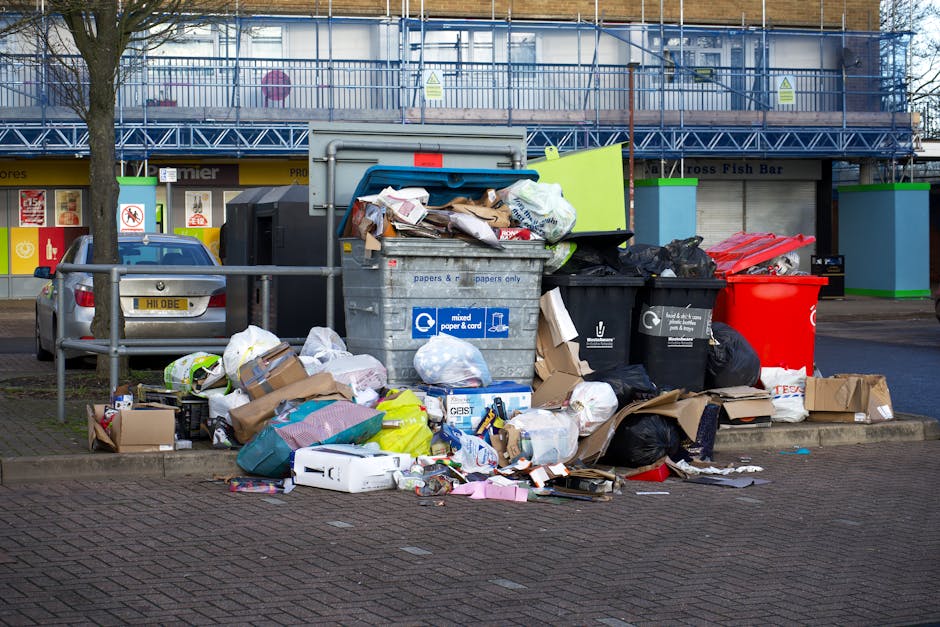
Conclusion
Bulky rubbish removal around Streatham Common does not need to feel like a huge project. With a bit of sorting, a realistic plan, and a clear eye for what can be reused or recycled, you can turn a cluttered room, shed, or hallway into usable space again. That's the win. Less clutter, fewer headaches, and a much better chance of keeping useful materials out of the wrong bin.
The main thing is to start early, stay honest about what you have, and avoid the temptation to throw everything together and hope it sorts itself out. It usually doesn't. A tidy approach is faster in the end, and kinder to the environment too.
If you are ready to clear bulky waste the easy way, professional help can make the whole thing feel much lighter from the start.
Get a free quote today and see how much you can save.
 Tipper Van - Waste Disposal and Rubbish Removal Prices in Streatham, SW16
 Luton Van - Waste Disposal and Rubbish Removal Prices in Streatham, SW16